
Planning a remodel? Great. Now let me tell you about every expensive mistake you’re about to make.
Not trying to be a jerk, but I’ve watched homeowners make the same remodeling mistakes for fifteen years. Same patterns, same problems, same shocked faces when the bill comes in double what they expected.
Neighbor down the street just finished his kitchen. Started with a $40k budget, ended at $73k. Took nine months instead of three. His contractor disappeared twice. Marriage barely survived it.
All preventable.
Mistake #1: Not Planning for the Real Cost
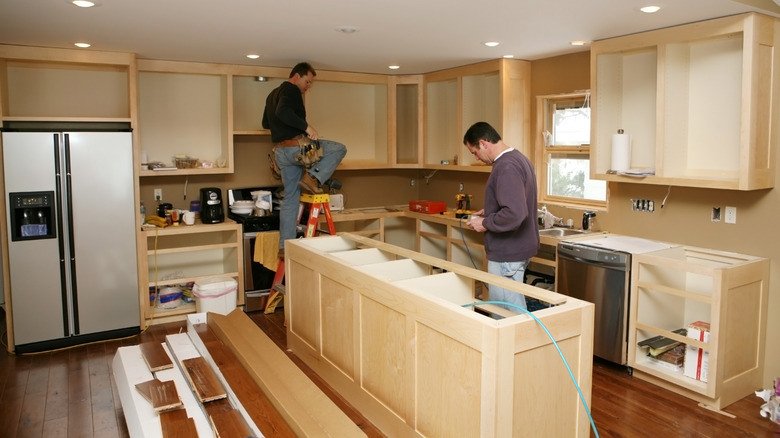
The Budget Fantasy
Most people budget like this: “Cabinets cost $15k, counters $8k, appliances $5k… so $30k total!”
Wrong. So wrong.
What they forgot:
- Demolition and disposal
- Electrical upgrades (code requirements)
- Plumbing rerouting
- Permits and inspections
- Drywall repair
- Paint
- Flooring transition
- Trim work
- Temporary kitchen setup
- Eating out for three months
- Things you didn’t know were broken until walls opened
Real costs in Dallas: Basic kitchen: $40k-60k Mid-range: $60k-100k High-end: $100k-200k+
And that’s if nothing goes wrong. Which it will.
The 20% Rule
Whatever you budget, add 20% for unexpected stuff. Not “maybe add” or “think about adding.” Actually put that money aside.
Client ignored this advice. Hit rot in bathroom walls during demo. $8k unplanned expense. Had to stop project for two months while she saved money. Contractor moved to other jobs, lost momentum, whole thing became a nightmare.
Budget properly:
- Get three detailed quotes
- Add 20% contingency
- Factor in living expenses during work
- Include temporary solutions
- Plan for code upgrades
- Don’t forget permits and inspections
Hidden Dallas-Specific Costs
Foundation issues – Common in North Texas, can add $5k-20k HVAC upgrades – Old systems can’t handle new layouts Electrical panel replacement – Code often requires updates Asbestos/lead – Older homes need testing and abatement HOA approvals – Fees, delays, sometimes design restrictions
Mistake #2: Hiring Based on Price Alone
The Cheapest Bid Trap
Guy quotes $25k for your kitchen when everyone else said $40k. Sounds great, right?
He’s either:
- Missing half the work
- Planning to cut corners
- Going to hit you with change orders
- Not licensed/insured
- About to disappear mid-project
What cheap contractors skip: Proper permits, code compliance, insurance, worker’s comp, quality materials, realistic timelines, professional subcontractors.
Red Flags
Run from contractors who:
- Want large deposits upfront (over 10%)
- Can start immediately (good contractors are booked)
- Don’t provide written contracts
- Can’t show licensing/insurance
- Have no local references
- Dodge questions about permits
- Give vague timelines
Warning signs during work:
- Subcontractors asking about payment
- Supplies showing up piecemeal
- Work quality inconsistent
- Communication disappears
- Timelines keep slipping
- Constant change orders
Checking Contractors Properly
Before hiring:
- Verify Texas license
- Check insurance (liability and worker’s comp)
- Call recent references (not just names they give you)
- Check BBB and online reviews
- Visit active job sites
- Get everything in writing
Contract must include:
- Detailed scope of work
- Specific materials and brands
- Payment schedule tied to milestones
- Timeline with completion date
- Permit responsibilities
- Change order procedures
- Warranty terms
- Cleanup and disposal
Had client hire unlicensed “contractor” to save money. Guy disappeared after getting 60% payment. Work was terrible, nothing to code, had to rip it all out and start over. Lost $30k and six months.
Mistake #3: Making Decisions on the Fly
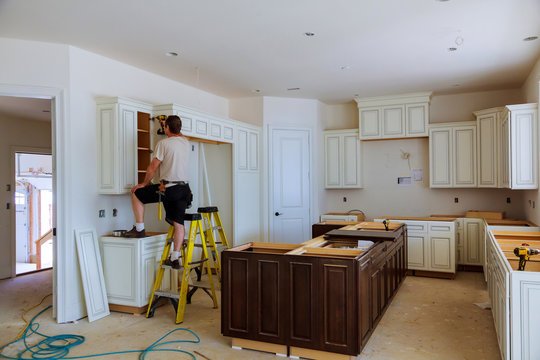
The “We’ll Figure It Out” Approach
Starting demo without all materials selected? Bad idea.
What happens:
- Work stops waiting for decisions
- Contractor charges waiting time
- Rush decisions lead to regrets
- Wrong materials ordered
- Timeline doubles
- Budget explodes
Decision Timeline That Works
Before demo:
- All fixtures selected
- Tile and flooring chosen
- Paint colors decided
- Lighting fixtures ordered
- Hardware picked out
- Appliances purchased or on order
During framing:
- Electrical locations confirmed
- Plumbing rough-in verified
- HVAC plan finalized
- Any structural changes approved
During finishing:
- Minor adjustments only
- Last-minute tweaks minimal
- No major changes
The Tile Store Trap
Here’s how it goes. You pick tile online. Looks perfect. Order it. Arrives. Looks completely different in your actual space. Now you hate it but it’s too late to change without delays and restocking fees.
Selecting materials properly:
- Get actual samples
- View in your space’s lighting
- Consider at different times of day
- Live with samples for a week
- Check durability and maintenance
- Verify availability and lead times
Common selection mistakes: Choosing trendy over timeless, picking materials before seeing samples, forgetting about grout color, not considering maintenance, ignoring Dallas climate factors.
Mistake #4: Living in the House During Major Work
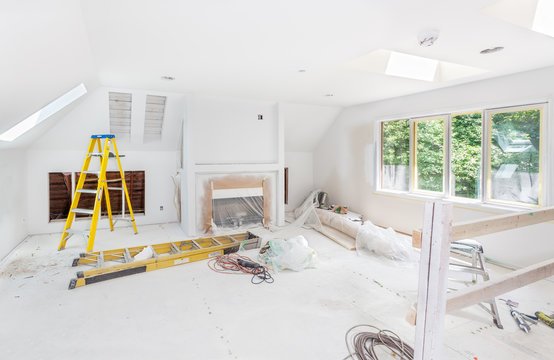
The Dust Bowl Reality
“We’ll just close off the kitchen and use a microwave.”
Famous last words.
Actual reality:
- Dust everywhere despite plastic barriers
- No running water some days
- Power outages during electrical work
- Noise starting at 7 AM
- Strangers in your house daily
- Nowhere to cook real meals
- Constant chaos and stress
- Kids miserable
- Marriage strained
When to Move Out
Definitely leave for:
- Whole house renovations
- Kitchen and multiple bathrooms
- Structural work
- Mold remediation
- Lead abatement
- Anything over 6 weeks
Maybe stay for:
- Bathroom remodel (if you have another)
- Cosmetic updates
- Room additions
- Exterior work only
The Hidden Costs of Staying
Financial:
- Eating out every meal
- Replacing stuff damaged by dust
- Additional cleaning
- Stress-related health issues
- Productivity loss working from home
Relationship:
- Constant tension and stress
- Nowhere to escape the chaos
- Fighting over decisions under pressure
- No personal space
- Sleep disruption
Client stayed during whole-house remodel in Dallas. Ended up in marriage counseling. Said the stress wasn’t worth the money they saved not getting temporary housing.
Mistake #5: Ignoring Permits and Codes

The “Nobody Will Know” Gamble
Skipping permits to save money and time? Brilliant until it isn’t.
What happens when caught:
- Work stopped immediately
- Fines and penalties
- Ripping out finished work for inspection
- Possible legal action
- Insurance won’t cover damage
- Sale falls through (inspection catches it)
- Home value decreases
Dallas Permit Requirements
Need permits for:
- Structural changes
- Electrical work
- Plumbing modifications
- HVAC installation
- Adding square footage
- Deck/patio construction
- Fence installation (some areas)
- Water heater replacement
Don’t need permits for:
- Painting
- Flooring (usually)
- Cabinet replacement
- Countertops
- Minor repairs
The Insurance Problem
Unpermitted work voids your insurance. House burns down because of unpermitted electrical? Insurance denies claim. You’re out everything.
Real example: House fire in North Dallas traced to unpermitted electrical work. Insurance denied $400k claim. Homeowner lost house, still owed mortgage, got sued by insurance company.
Not worth the risk.
Code Compliance Matters
Codes exist for safety. Ignore them at your own risk.
Common code issues in Dallas:
- Insufficient electrical capacity
- Improper bathroom ventilation
- Missing GFCI outlets
- Wrong size beams for spans
- Improper window egress (bedrooms)
- Inadequate insulation
Inspector fails your work? Everything stops until fixed. Can add weeks and thousands to project.
Remodeling Mistakes That Compound
The Domino Effect
One bad decision leads to another.
Common cascade:
- Hire cheap contractor
- They skip permits
- Use substandard materials
- Work fails inspection (if caught)
- Must redo everything
- Original contractor gone
- New contractor charges premium to fix
- Budget destroyed, timeline blown
Decision Fatigue
Remodeling tips – pace your decisions.
Make big decisions early:
- Layout and flow
- Major systems (plumbing, electrical)
- Structural changes
- Material quality level
Save small decisions for later:
- Hardware finishes
- Paint colors
- Accessories
- Decorative elements
Don’t try to decide everything in one day. Recipe for regret.
What Good Planning Looks Like
The Right Timeline
Planning phase: 2-4 months
- Research and design
- Contractor selection
- Material selection
- Permit applications
- Financing secured
Execution phase: Depends on scope
- Kitchen: 6-12 weeks
- Bathroom: 4-8 weeks
- Addition: 4-6 months
- Whole house: 6-12 months
Add time for unexpected issues. They always happen.
Communication That Works
Weekly check-ins: Progress review, upcoming decisions, budget updates Daily updates: Major milestone completions, issues that arise, schedule changes Photo documentation: Before, during, after every phase
Red flag: Contractor who goes silent or dodges calls.
Learning From Others’ Pain
Kitchen nightmare in Preston Hollow: Homeowner changed mind about layout after framing. Had to redo all electrical, plumbing, HVAC. Added $25k and three months.
Bathroom disaster in Lake Highlands: Contractor found mold during demo. Homeowner had no contingency budget. Stopped project for four months while saving money.
Whole house catastrophe in Lakewood: Hired unlicensed contractor. Did terrible work, no permits. City inspector caught it during routine check. Fined $15k, had to rip out and redo everything properly.
All preventable with better planning and decisions.
[Link to: “Professional Remodeling Services“]
Do It Right From the Start
Remodeling mistakes Dallas homeowners make are predictable. Budget too low, hire too cheap, plan too little, skip permits, try to tough it out living in chaos.
Every single one costs more to fix than prevent.
Smart remodeling:
- Budget 20% over estimates
- Hire based on quality, not price
- Make all decisions before demo
- Move out for major work
- Pull proper permits
Avoid these mistakes with proper planning. Get professional help with design and contractor selection. Yes, it costs money upfront. Saves exponentially more later.
Your sanity, marriage, and bank account will thank you.
People Ask:
What’s the biggest mistake people make when remodeling? Not budgeting for unexpected costs. Most people budget only for visible items and forget demolition, disposal, code upgrades, permits, and problems discovered during work. Add 20% contingency minimum to your budget.
How do I avoid getting ripped off by a remodeling contractor? Check licensing and insurance, call recent references, get detailed written contracts, never pay large deposits, verify permit applications, and don’t hire based on price alone. Cheap bids either miss work or hide problems.
Should I stay in my house during a major remodel? Only for minor work. Major renovations create dust everywhere, disrupt utilities, start early daily, and cause significant stress. The money saved isn’t worth the relationship strain and health impact for projects over 6 weeks.
Do I really need permits for home remodeling? Yes. Permits ensure work meets safety codes, maintain home value, prevent insurance issues, and avoid fines. Unpermitted work can void insurance, prevent home sales, and require expensive corrections when discovered.
What’s a realistic timeline for a kitchen remodel? Plan 2-4 months for design and material selection, then 6-12 weeks for construction. Delays happen with material shortages, permit issues, and unexpected problems. Contractors who promise faster timelines are usually unreliable.
