
Okay, real talk. I’ve been watching the remodeling industry for years, and 2025 is different. People aren’t just asking for prettier kitchens anymore—they want to know how much they’ll save on their electric bill.
Can’t blame them. Energy costs are brutal right now, and everyone’s looking for ways to cut expenses without freezing in winter or melting in summer.
So what’s actually working? Let me share what I’m seeing on job sites and what homeowners are telling me about their results.
Why This Became Such a Big Deal
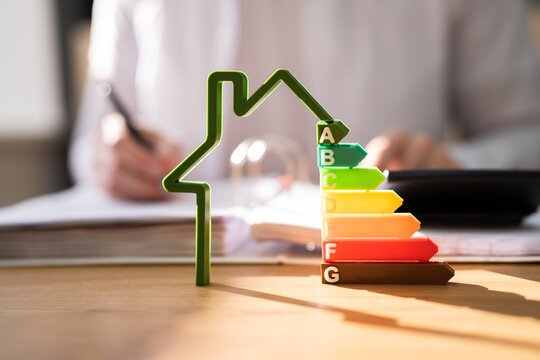
Energy bills went up. That’s really the main driver here.
But there’s more to it. The tech got better—heat pumps that actually work in cold climates, solar that doesn’t require a second mortgage, insulation that fits in old walls. And honestly? The tax credits make some of these projects way more affordable than they used to be.
My neighbor just finished a whole energy makeover. His monthly utility bill dropped by almost half. Not gonna lie, that got my attention.
What’s Trending Right Now (And Why)

Heat Pumps Are Everywhere
Remember when heat pumps were only for mild climates? Yeah, those days are over.
The new models work down to crazy cold temps—like negative 15 degrees. They handle heating and cooling, use way less electricity than old furnaces, and there’s a fat tax credit available.
Cost is still high though. You’re probably looking at $10,000-$18,000 for a decent system. But my friend in Vermont installed one last winter and saved over $200 a month. At that rate, it pays for itself in maybe 6 years? Then it’s just savings after that.
The catch—and there’s always a catch—is finding a contractor who really knows how to install them right. Some guys are still figuring it out.
Smart Thermostats (But Actually Smart This Time)
Not just the basic “control it from your phone” thing anymore.
These systems learn your schedule, know when you’re home, adjust for weather changes, and show you exactly what’s costing money. Some of them even predict when your HVAC needs maintenance.
You can start cheap. A good smart thermostat is like $250 and saves most people 10-15% on heating and cooling without thinking about it. Install it yourself in 30 minutes.
Or go big with whole-home energy management for $10,000+. Really depends on how nerdy you want to get.
Windows That Don’t Suck
Windows are boring to talk about. I know.
But here’s something wild—nearly 30% of your heating and cooling energy goes straight out your windows. That’s just… leaving through the glass.
New triple-pane windows with fancy gas fills (don’t ask me to explain the science) keep heat in during winter and out during summer. The difference is noticeable immediately.
They’re not cheap. Good windows run $500-$1,000 each, easy. But there’s a tax credit that covers 30% up to $600 per year, and your energy savings might hit $300-400 annually depending on how bad your current windows are.
If your house was built before 2000 and still has the original windows? This upgrade basically pays for itself. Learn more about energy-efficient upgrades.
Solar (Finally Makes Financial Sense)
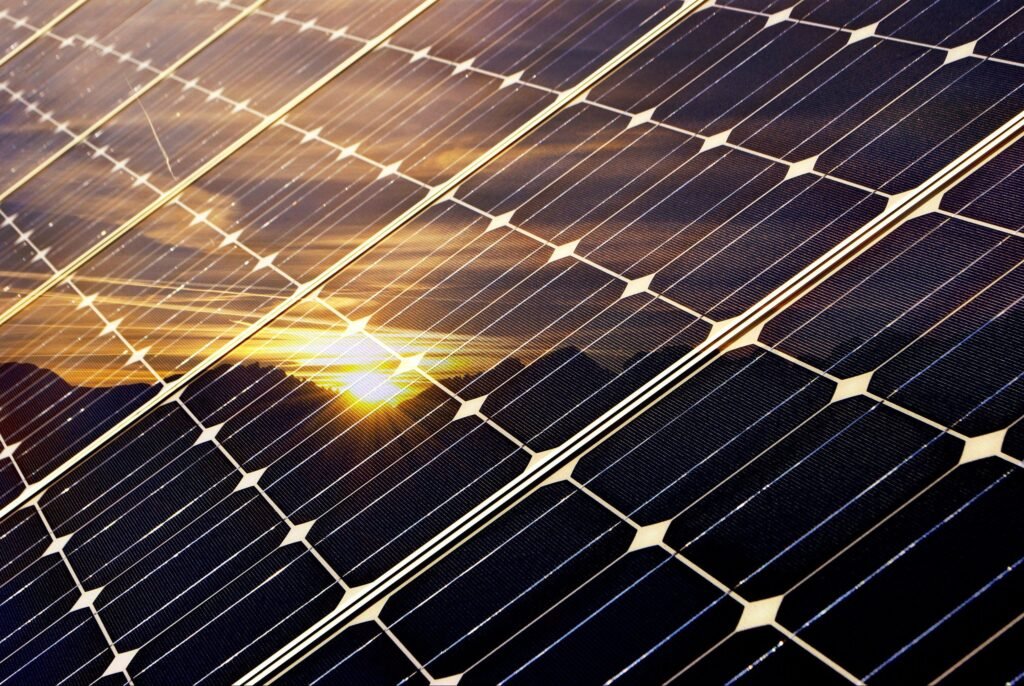
Solar used to be for rich people who wanted to feel good about themselves. Not anymore.
Prices dropped like crazy. The tax credit is 30%. And if you add batteries, you’re not as dependent on the grid when rates spike or power goes out.
Typical system costs $15,000-$25,000 after tax credits. Add batteries and you’re closer to $25,000-$35,000. Sounds like a lot because it is.
But payback is usually 8-10 years, then you’re basically getting free electricity for the next 15+ years. Plus you lock in your rate—inflation doesn’t touch you.
Won’t work for everyone though. Shady roof? Lots of trees? You might want to skip it.
Air Sealing (The Upgrade Nobody Sees)
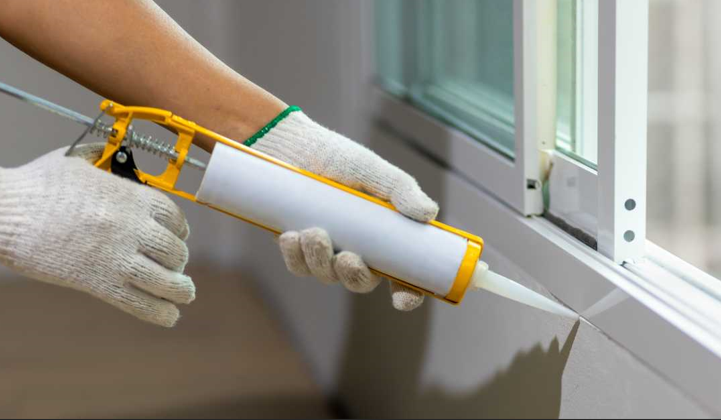
This one’s not glamorous at all.
But I watched a blower door test on an older house last month, and it was shocking how much air was leaking out. Around outlets, through the attic, under doors, through the basement rim joists… everywhere.
Professional air sealing plus good insulation can cut heating and cooling costs by 25-40%. That’s huge.
It costs maybe $3,000-$8,000 depending on your house size. Nobody comes over and goes “wow, nice air sealing,” but your bank account notices real quick.
One client spent $5,800 on this last fall. Her winter gas bill went from $265 to $140. She’ll break even in about 3 years, then save that much every year going forward.
Induction Cooktops
Okay this one’s a little controversial. Some people are really attached to their gas stoves.
But induction is legitimately better faster boiling, more efficient, safer, and no indoor air pollution from gas combustion. Studies came out recently showing gas stoves affect indoor air quality more than people realized.
They run $1,200-$3,000 for a good one. Not dramatically more expensive than a nice gas range.
You need magnetic pots and pans, but most modern cookware works fine. Test it with a magnet before you buy.
Water Heaters That Actually Save Money
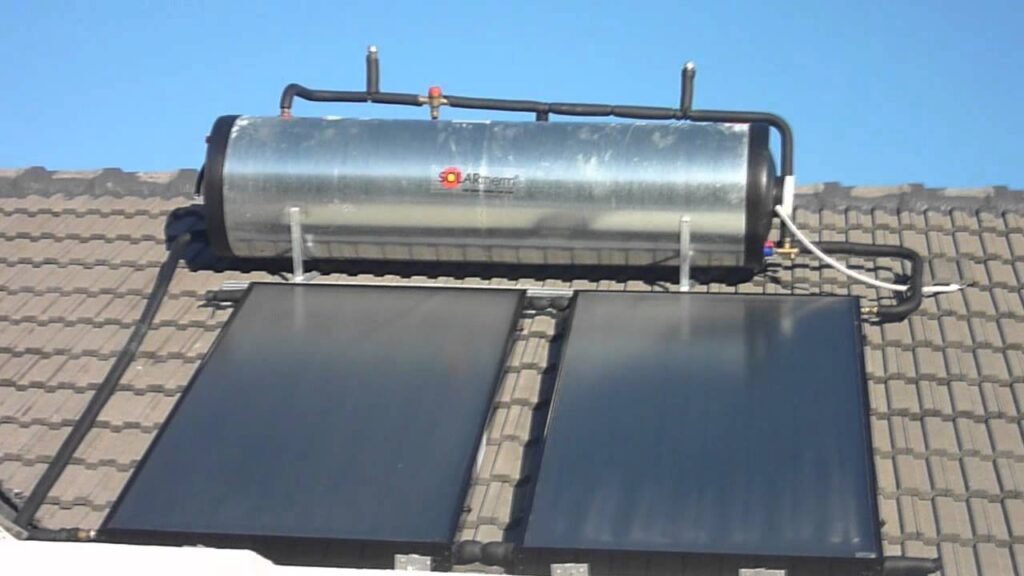
Water heating is like 18% of your energy bill. Most people don’t think about it until theirs breaks.
Heat pump water heaters use about 60% less energy than regular electric ones. They’re $1,500-$3,500 installed and qualify for a tax credit.
Downside? They’re loud and need space. But the energy savings are real—$250-$400 a year for most families.
Tankless is another option. They last way longer than tank heaters (20+ years vs 10-12) and you never run out of hot water. Teenagers love them. Energy savings aren’t quite as dramatic as heat pump models though.
How to Not Waste Money
Let me save you some headaches here.
Get the incentives Federal tax credit is 30% through 2032. That’s significant. But also check your state—some offer thousands more. And your utility company might have rebate programs.
I know one guy who combined federal, state, and utility incentives to cover almost half his project cost. He spent maybe 3 hours researching. Worth it.
Do the boring stuff first Air sealing and insulation aren’t sexy but they have the fastest payback—usually 3-5 years. Do those before solar or fancy smart home stuff.
Makes everything else work better too.
Think about timing HVAC contractors are cheaper in spring and fall because they’re not slammed. Windows companies might discount in winter. Just ask.
Bundle projects Contractors usually give better pricing if you do multiple things. Plus some incentives require bundled improvements.
Watch out for BS If someone claims 2-year payback, they’re probably lying. If they’re pushing their “proprietary system,” be skeptical. If efficiency ratings aren’t clear, walk away.
What You Actually Get (Besides Lower Bills)
The money savings are obvious. But there’s other stuff that matters.
Your house feels better. No cold drafts. More consistent temps. Less noise from outside.
Better air quality. Especially if you’re upgrading ventilation and getting rid of gas appliances.
And yeah, your home value goes up. Energy-efficient houses sell faster and for more money. Buyers actually look at utility bills now.
Plus there’s just the satisfaction of not throwing money away every month. That’s worth something.
Where to Start
Don’t overthink this.
Get an energy audit first. Costs like $300-500 and they’ll tell you exactly where you’re losing money. Blower door test, thermal camera, the whole thing. Then you know what to prioritize.
Fix air leaks and insulation before anything else. Makes everything work better.
Check what incentives you qualify for. Seriously, check. People leave thousands on the table.
Get at least 3 quotes for any major project. Prices vary wildly and some contractors are way better than others.
Start with whatever’s costing you the most money right now. Old furnace? Terrible windows? Ancient water heater? Tackle the worst offender first.
Real Numbers from Real Projects
A friend in Chicago spent about $18,000 on heat pump, insulation, and air sealing. Got back $5,200 in tax credits and rebates. Net cost was $12,800. Saves roughly $2,100 a year. He’ll break even in about 6 years.
Another one in Boston did windows, insulation, and water heater for $15,000. Got $4,200 back in incentives. Saves about $2,400 annually. Breaks even in under 5 years.
These aren’t best-case scenarios. Pretty typical actually.
Bottom Line
Energy efficient remodeling isn’t about being super green or whatever (though that’s fine if you care about it). It’s about not wasting money.
The technology works. The incentives are solid. And energy costs aren’t getting cheaper.
You don’t need to do everything at once. Pick one or two high-impact projects. Stack your incentives. See real savings within a few months.
Better than watching your money disappear into thin air—or out your leaky windows.
Ready to Actually Do This?
Stop bleeding money on energy bills you don’t need to pay.
We help homeowners figure out which upgrades make sense for their specific situation. No generic pitches, just real numbers for your house.
Schedule a free energy assessment and we’ll show you exactly where your money’s going and how much you could save. [Link to: “Get Your Free Assessment”]
Then you decide what makes sense for your budget and goals.
FAQs People Actually Ask
What’s the cheapest upgrade that saves the most money?
Air sealing and insulation. Costs $3,000-$8,000 for most homes and pays for itself in 3-5 years. Makes every other upgrade more effective too. Federal tax credit covers 30%, and some utilities throw in rebates on top of that.
How much will I actually save?
Depends on your house and what you fix, but most people see 20-40% lower energy bills. Could be $800-$3,000 saved per year. Best way to know for sure is get an energy audit—they’ll give you specific numbers for your situation.
Are the tax credits worth dealing with?
Yeah. 30% back through 2032 is real money. You can claim up to $3,200 per year across different categories. Heat pumps and solar have separate, higher limits. It’s literally free money for doing upgrades you probably need anyway. Your tax person can handle the paperwork.
Will this actually increase my home value?
Yep. Energy-efficient homes sell faster and for 3-7% more on average. Buyers care about operating costs now—they want to see those utility bills. Appraisers factor efficiency improvements into valuations too. So you’re building real equity, not just saving on bills.
Should I do solar first or fix my house first?
Fix the house first, always. Efficiency reduces how much energy you need. Then solar covers what’s left. If you do solar first, you’ll need more panels (costs more) and you’re still wasting energy. Do insulation and air sealing, then add solar. You’ll need a smaller system and save more money overall.
